

Telehealth has changed who can get medical care in this country. If you live three hours from the nearest clinic, work shifts that don’t line up with business hours, or have simply put off a conversation about your weight for years because of how those conversations have gone before — being able to see a practitioner from home is not a convenience. It’s the difference between getting care and not getting it.
But accessibility and quality are not the same thing, and it would be dishonest to pretend otherwise. A model built entirely around speed can deliver something that looks like healthcare and isn’t. We think the sector needs to be clearer about where that line sits.
So here’s what we believe good telehealth requires, and what we’re doing about it.
A consultation means seeing the person
You cannot assess someone you have never seen.
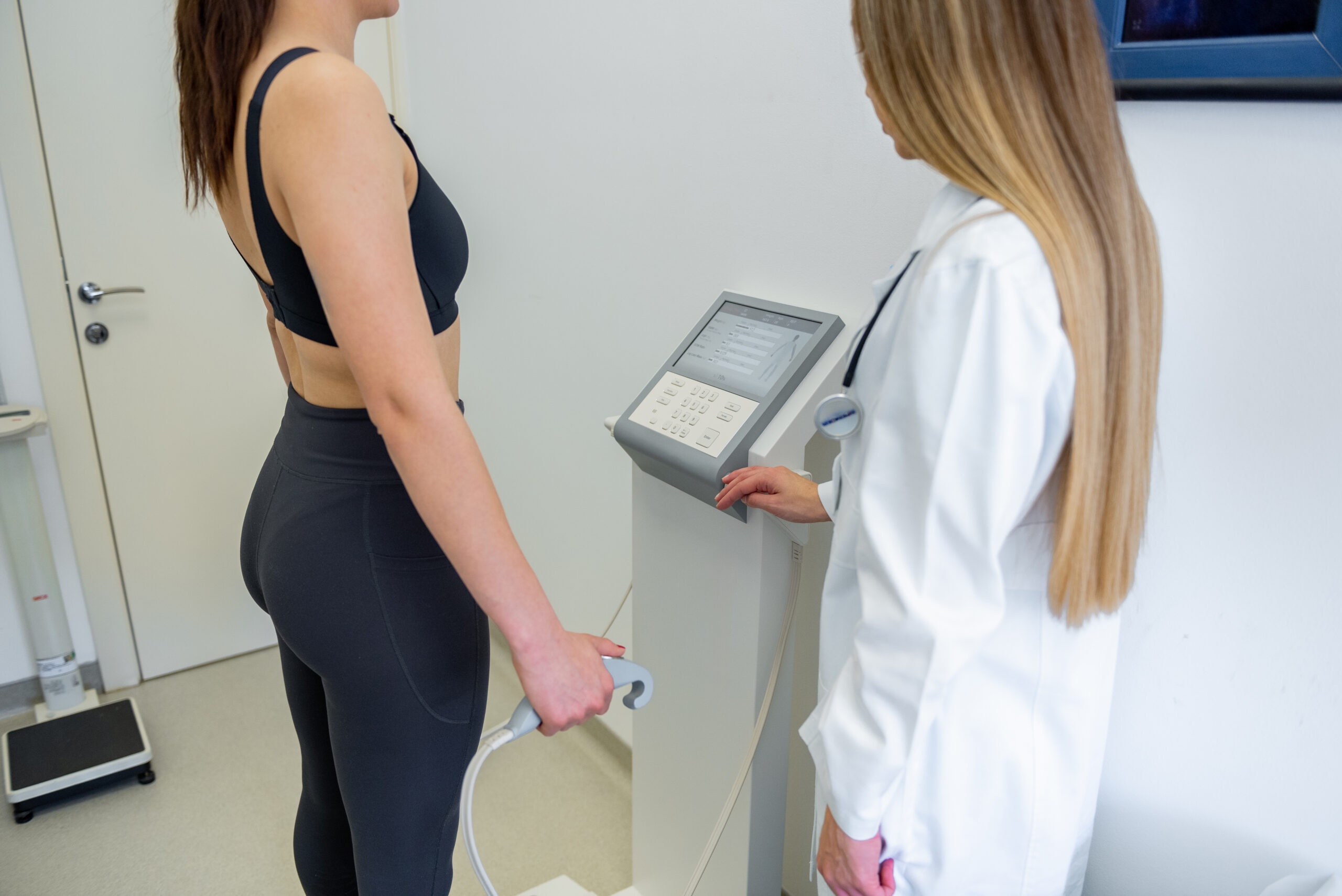
A practitioner needs to observe how a person presents, not just hear what they report. Weight, physical presentation, signs of distress, whether someone seems comfortable or is rushing to get off the call — these are clinical information. On a phone call, they’re invisible.
Video consultations have previously been encouraged and recommended as part of good telehealth practice at The Weight Loss Specialists. From September 2026, every initial consultation at The Weight Loss Specialists will be conducted by video. This formalises video as our standard of care — not as an option or something available only on request.
We’re also working through our existing patients to move them onto the same footing, and every patient will have a video review with a practitioner at least once every twelve months, regardless of how stable their care is. Care that was appropriate two years ago may not be appropriate now, and the only way to know is to look.
Assessment has to go wider than weight
A number on a scale tells you almost nothing on its own.
A proper assessment covers medical history, medications, family history, bloods where indicated, and — this matters — a person’s history and relationship with food. Weight is often the visible edge of something else entirely. Treating the number without understanding what sits underneath it is not care.
That includes asking directly about disordered eating, past or present. It is not a comfortable question and it is not always answered fully, which is exactly why it needs to be asked properly, by a practitioner who knows how to ask it, and revisited over time rather than ticked off once at intake.
If a person’s history suggests that a weight-focused program is the wrong pathway, that finding changes what happens next. It doesn’t get noted and set aside.
Sometimes the answer is no
This is the part of medical weight management that rarely gets advertised, so we’ll say it plainly.
Not everyone who comes to us is someone we should treat. Some people are better served by their GP. Some need a different specialty entirely. Some are seeking something we should not provide, and the right clinical response is to decline and help them find appropriate support.
A service that says yes to everyone isn’t a clinic. Our practitioners are Doctors and Nurse Practitioners, and their obligation is to their clinical judgement, not to a conversion rate. We would rather lose a patient than treat one we shouldn’t.
Ongoing review, not set-and-forget
Weight management is not a transaction that concludes when a plan is issued.
Our patients have scheduled follow-ups, and their care is reviewed and adjusted as their health, circumstances and goals change. If something isn’t working, we change it. If a person’s health picture shifts, the plan shifts.
We also don’t run subscriptions or lock-in contracts. That’s deliberate. A model where revenue depends on patients continuing indefinitely creates pressure in exactly the wrong direction — it makes stopping treatment a commercial problem rather than a clinical decision. We’ve built it so that continuing is a choice made on clinical grounds, and stopping costs a patient nothing.
Working with your GP, not around them
Telehealth should add to a person’s healthcare, not detach them from it.
Your GP holds the long view of your health in a way a weight service never will. Where it’s appropriate and you consent, we coordinate with them. If your care would be better managed by someone who already knows your history, we’ll tell you that.
Where TWLS Fits In
To be clear about our role: we don’t perform bariatric surgery. What we provide is the clinical layer around it — a medical assessment to determine whether surgery may be appropriate for you, a referral to an appropriate bariatric surgeon, and structured medical support before and after your procedure.
This article provides general information only. Whether bariatric surgery or any other treatment is suitable for you depends on your individual circumstances and clinical assessment. Your bariatric surgeon is best placed to provide current, individualised advice about your suitability, treatment options and what to expect.
Why we’re publishing this
Because the standards for virtual care in Australia are still being written.
National virtual care standards are in development but aren’t expected until the end of 2027. Until then, what a telehealth clinic does is largely a matter of what that clinic decides to do. We’d rather set out our position publicly and be held to it than wait to be told.
If you’re considering any telehealth service for weight management — ours or anyone else’s — these are reasonable things to ask before you book:
- Will I see a practitioner on video, or is this phone and questionnaire only?
- Who is the practitioner, and what are their qualifications?
- What happens if the assessment shows this isn’t right for me?
- How often will my care be reviewed, and by whom?
- Is there a subscription, a lock-in, or a cost to stopping?
- Will you communicate with my GP?
If a service can’t answer those clearly, that tells you something.
If you or someone you know is struggling with eating or body image, support is available. The Butterfly Foundation offers a free, confidential National Helpline on 1800 33 4673 (8am–midnight AEST, seven days) and online chat at butterfly.org.au. In an emergency, call 000. Lifeline is available 24/7 on 13 11 14.
The Weight Loss Specialists provides Doctor and Nurse Practitioner-led medical weight management. All care is provided following individual clinical assessment. Individual outcomes vary. This article is general information and is not medical advice — speak to a qualified health practitioner about your own circumstances.