

Peptides are everywhere online right now — promoted by influencers, sold through social media accounts, and marketed for weight loss, muscle growth, recovery, and anti-ageing.
What’s far less visible is what’s been happening to some of the people using them. In Victoria, health authorities have reported cases of acute liver injury in people who used an unapproved peptide product bought online. The TGA has warned publicly about the risks, and Australia’s Chief Medical Officer has advised people not to use these products at all.
At TWLS, our position is straightforward: weight management treatment should be evidence-based, appropriately prescribed, and monitored by a qualified healthcare professional. Here’s why unapproved peptides fall so far outside that.
What Are Peptides?
Peptides are short chains of amino acids that act as chemical messengers in the body, helping regulate processes like metabolism, growth, immunity, and tissue repair. They occur naturally, and many are entirely unremarkable.
Some peptide medicines are well established and completely legitimate. Insulin is a peptide hormone with a long clinical history. Several prescription weight management medicines are peptide-based, prescribed by qualified practitioners and approved by the TGA.
The problem isn’t peptides as a category. It’s the unapproved, unregulated products being sold online — which are a very different thing.
What “Unapproved” Actually Means
In Australia, therapeutic products must be assessed by the Therapeutic Goods Administration and included in the Australian Register of Therapeutic Goods before they can be legally supplied.
Unapproved peptide products haven’t been through that process. As the TGA has stated, they have not been evaluated for safety, quality or effectiveness — and the regulator has no oversight of their ingredients, their manufacturing standards, or whether they work at all.
The products the TGA has specifically named include retatrutide, BPC-157, GHK-Cu, TB-500 and CJC-1295. Importing or supplying them for human use without authorisation is against the law.
The Risks Are Not Hypothetical
This is the part that matters most, so it’s worth being direct.
Cases of acute liver injury in Australia
Since January 2026, Victorian health authorities have been notified of six cases of acute liver injury in people who used an unapproved peptide product labelled as retatrutide — sold under names including “Reta,” “R-10” and “R-20.”
The Victorian Chief Health Officer issued a health alert in June 2026 stating the toxic effects are possibly associated with a contaminant, and that all such products are considered at risk. Investigations are ongoing, and it’s believed similar cases may have been reported in other Australian states.
These products were purchased online, through social media accounts, and through friends.
You often don’t know what’s actually in the vial
This is the core problem with buying unregulated products. Laboratory testing by University of Queensland researchers found retatrutide products containing almost double the labelled dose.
Other products have been found to contain impurities, contaminants, or entirely different substances from what the label claims. Many are supplied as powders or in poorly labelled or unmarked vials, making it effectively impossible for anyone to verify what they contain.
You can’t dose safely when you don’t know what you’re taking.
Sterility and injection risks
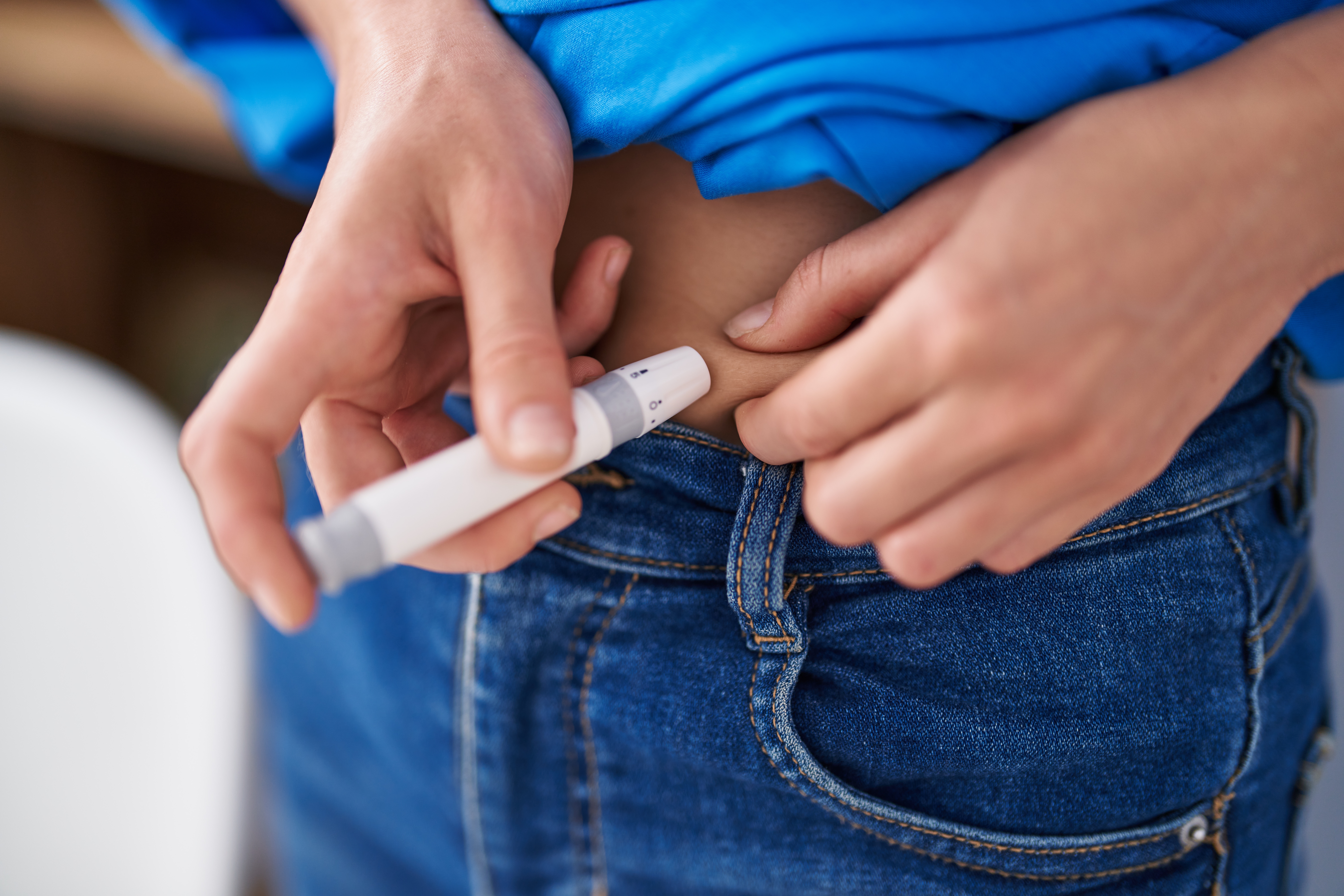
For injectable products, there’s no way to confirm whether they were made under sterile conditions. Injecting non-sterile products carries risks of infection, abscesses, local tissue damage, and scarring — and blood-borne viruses where equipment is shared.
Little or no human safety data
Retatrutide is an experimental drug. It is not approved for sale as a safe medical product in Australia, and many enhancement peptides have little or no human trial data at all — meaning their effects and safety in otherwise healthy people are largely unknown.
Counterfeits are designed to fool you
The TGA has noted that counterfeit products are often deliberately made to mimic genuine medicines. Professional-looking packaging tells you nothing about what’s inside.
Why “It Worked for Someone Online” Isn’t Evidence
Social media is central to how these products are sold. Influencers share referral links, inject on camera, and describe results — while the people who experienced harm are almost never the ones posting.
Nobody uploads a video about their liver function tests. The feedback loop is broken by design, and it makes these products look far safer than the clinical evidence suggests.
The Missing Piece: Medical Oversight
Even setting aside contamination and dosing, there’s a fundamental problem with sourcing treatment outside a clinical relationship: nobody is checking whether it’s safe for you.
A proper prescribing process involves assessing your health history and any underlying conditions, checking for contraindications and interactions with your other medications, determining an appropriate dose, monitoring for side effects, and reviewing and adjusting over time.
None of that happens when a product arrives in the post. Underlying conditions go unidentified, interactions go unchecked, and side effects go unmonitored — which is exactly how a manageable issue becomes a serious complication.
If You’ve Used One of These Products
If you’ve bought or used an unapproved peptide product, health authorities advise the following.
Stop using it and dispose of it safely. Needles should go into an approved sharps container and be returned to a Needle and Syringe Program or participating pharmacy — never into household rubbish or recycling.
Watch for symptoms and seek medical care promptly if you notice tiredness or feeling generally unwell, abdominal pain, itchy skin, dark urine, yellowing of the eyes or skin, or unusual or easy bruising. In an emergency, call Triple Zero (000).
Speak to your GP. If you’ve used these products, it’s worth arranging a review, including consideration of liver function tests. There’s no judgement in this — clinicians would far rather know than not.
The Poisons Information Centre is available 24/7 on 13 11 26 for advice about suspected poisoning.
The Safe Alternative Isn’t “No Treatment”
It’s worth being clear about something: none of this means effective medical weight management isn’t available to you.
Approved treatments prescribed and monitored by a qualified practitioner are a legitimate option for many people. The difference is that they’ve been assessed for safety, quality and effectiveness, they come from a licensed pharmacy, the dose is what the label says, and someone qualified is checking that it’s appropriate for you and reviewing it over time.
Because of TGA regulations, specific medical treatment options can only be discussed during a consultation with one of our Doctors or Nurse Practitioners. But if cost, access, or frustration with slow progress has you considering products sold online, that’s genuinely worth raising with a practitioner instead — there are usually better options than you’d expect.
You can read more about our medically guided weight management approach, or get in touch with the TWLS team to talk it through.
Frequently Asked Questions
Are all peptides dangerous?
No. Many peptide medicines are legitimate, well-studied, and prescribed safely every day — insulin being a long-standing example. The concern is specifically about unapproved products sold online, which haven’t been assessed for safety, quality or effectiveness.
Is it illegal to buy peptides online in Australia?
Importing or supplying unapproved peptide products for human use without authorisation is against the law. The TGA has also made unapproved peptides a priority compliance focus.
How can I tell if a product is safe?
Realistically, you can’t — and that’s the point. Many are sold in unmarked or poorly labelled vials, testing has found doses far higher than advertised, and counterfeits are designed to look genuine. Prescription medicines should only ever come from a licensed pharmacy.
What if a product is labelled “research use only”?
That’s a labelling loophole used by some suppliers, not a safety assurance. It doesn’t mean the product is legal or safe for human use.
I’ve been using one and feel fine — should I still be concerned?
Yes, it’s worth stopping and speaking with your GP. Liver injury and other complications can develop without obvious early warning signs, and a review including liver function tests is a sensible precaution.
Final Thoughts
The appeal of these products is easy to understand — they promise faster results with fewer hurdles. But you cannot make an informed decision about something when nobody, including the seller, can tell you what’s actually in it.
If weight management is something you’re working on, you deserve an approach that’s properly assessed, appropriately prescribed, and monitored by someone qualified to keep you safe.
At TWLS, that’s exactly what we provide. If you have questions about your options — or about something you’ve seen promoted online — speak with the TWLS team. We’re always happy to talk it through.
Sources
- Therapeutic Goods Administration — Concerns regarding the public health risks associated with unapproved peptide products
- Victorian Department of Health — Toxicity linked to unapproved peptide product labelled Retatrutide (19 June 2026)
- University of Queensland / The Conversation — laboratory testing of retatrutide products