
Some people can cut back on food and see steady results. Others do the same thing and watch almost nothing happen — while gaining weight far more easily than seems fair.
Insulin resistance is one of the most common reasons for that difference. It’s also one of the most under-recognised, because it develops quietly over years and rarely announces itself until something else does.
At TWLS, we see this pattern often, and it changes how we approach a person’s plan entirely. Here’s what insulin resistance is, why it creates a cycle that feeds itself, and what genuinely helps break it.
What Is Insulin Resistance?
Insulin is a hormone your pancreas releases when you eat, particularly in response to carbohydrates. Its job is to move glucose out of your bloodstream and into your cells, where it’s used for energy or stored for later.
With insulin resistance, your cells stop responding to that signal as effectively. The glucose doesn’t move as readily, so your pancreas compensates by producing more insulin to get the same job done.
For a while, this works. Your blood sugar stays within a normal range — but only because your insulin levels are running high to keep it there. This is why insulin resistance can go undetected for years: a standard blood sugar test can look perfectly fine while the underlying problem is well established.
Over time, if the pancreas can’t keep up, blood sugar starts to rise. That’s the path toward prediabetes and, eventually, type 2 diabetes.
Why It Makes Weight Loss So Much Harder
Here’s the part that explains a lot of frustration.
Insulin is a storage hormone. When insulin levels are high, your body is in storage mode — and while it’s in storage mode, releasing stored fat for energy becomes considerably harder.
So with insulin resistance, you’re not just working against the usual difficulty of losing weight. You’re working against a hormonal environment that’s actively encouraging your body to hold onto fat and discouraging it from letting go.
Three things tend to follow:
- Fat is stored more readily, particularly around the abdomen
- Stored fat is harder to release, so a kilojoule deficit produces less result than expected
- Hunger and cravings increase, especially for quick-energy carbohydrates, as blood sugar swings up and down
None of that is a willpower problem. It’s a hormonal one — and it’s why the standard advice can feel like it simply doesn’t work for you.
The Cycle That Feeds Itself
What makes insulin resistance particularly stubborn is that it’s self-reinforcing.
Insulin resistance encourages fat storage, especially visceral fat around the organs. Visceral fat is metabolically active — it releases inflammatory signals that make insulin resistance worse. Worse insulin resistance means higher insulin levels, which means more fat storage.
Round it goes. This is why insulin resistance tends to deepen gradually over years, and why the longer it runs, the harder it can feel to shift anything.
The encouraging flip side: because the cycle is self-reinforcing in both directions, improvements also compound. Reducing insulin resistance makes weight loss easier, and losing weight — particularly visceral fat — improves insulin sensitivity further.
Warning Signs Worth Knowing
Insulin resistance often has no obvious symptoms early on, which is exactly why it’s so commonly missed. But some signs are worth paying attention to:
- Weight gain around the middle, or difficulty losing it despite genuine effort
- Strong cravings for carbohydrates or sugar, particularly in the afternoon
- Energy crashes after meals, or feeling hungry again soon after eating
- Skin changes — particularly acanthosis nigricans, dark velvety patches on the neck, armpits or groin, and skin tags
- A family history of type 2 diabetes
- PCOS, which is closely linked to insulin resistance
- Blood test results showing raised triglycerides, low HDL cholesterol, raised blood pressure, or blood sugar drifting toward the upper end of normal
None of these confirm insulin resistance on their own. But together, they’re a reasonable prompt to get properly assessed rather than assuming the problem is effort.
Who’s at Higher Risk?
Insulin resistance is more common in people who:
- Carry more weight around the abdomen
- Have a family history of type 2 diabetes
- Have PCOS
- Are less physically active
- Sleep poorly or work shift patterns
- Are of certain ethnic backgrounds, including South Asian, Aboriginal and Torres Strait Islander, Pacific Islander, and some Southeast Asian populations, where risk can be higher at a lower body weight
It’s also worth saying clearly: you don’t have to be in a higher weight range to have insulin resistance. It occurs in people of all sizes.
How It’s Assessed
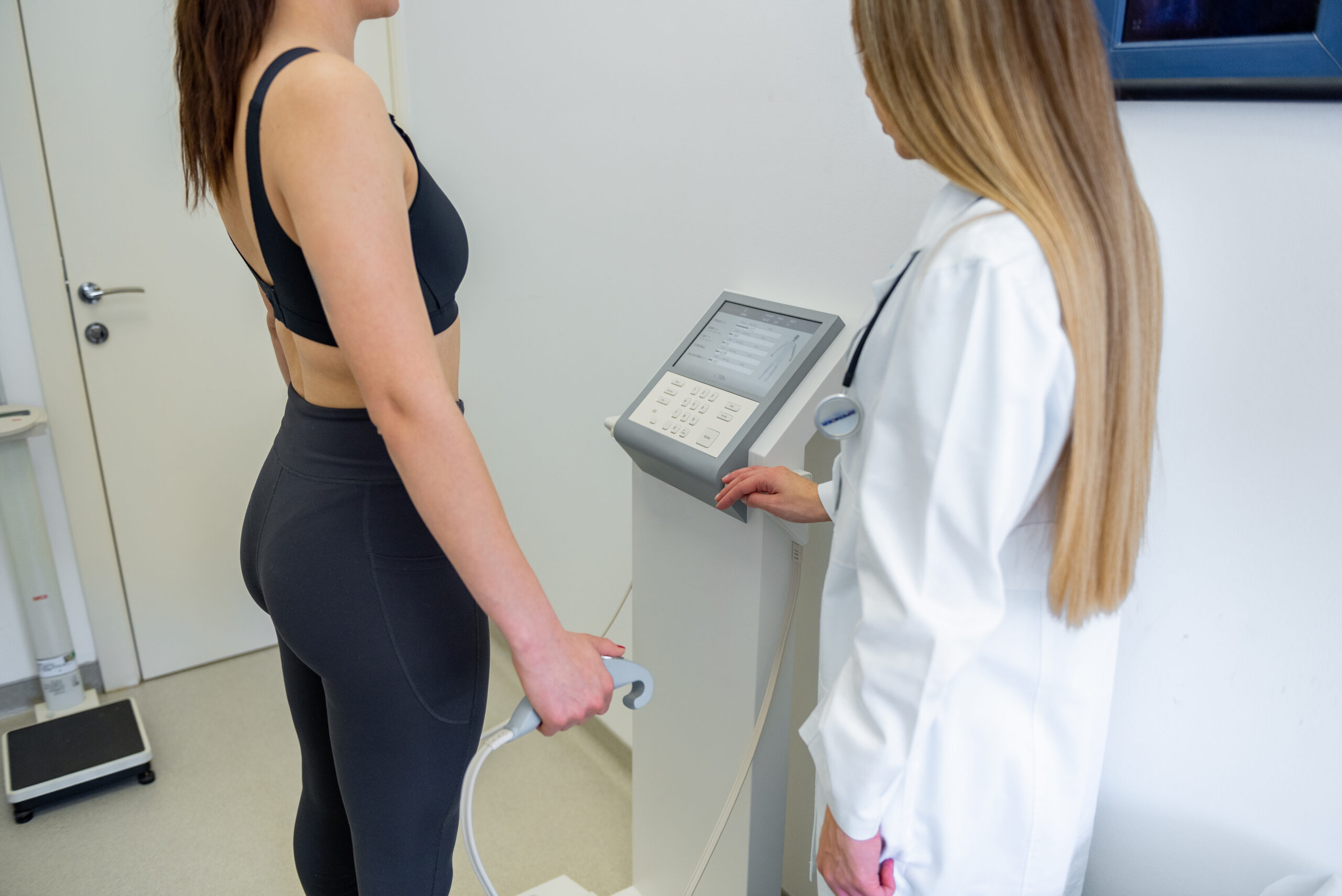
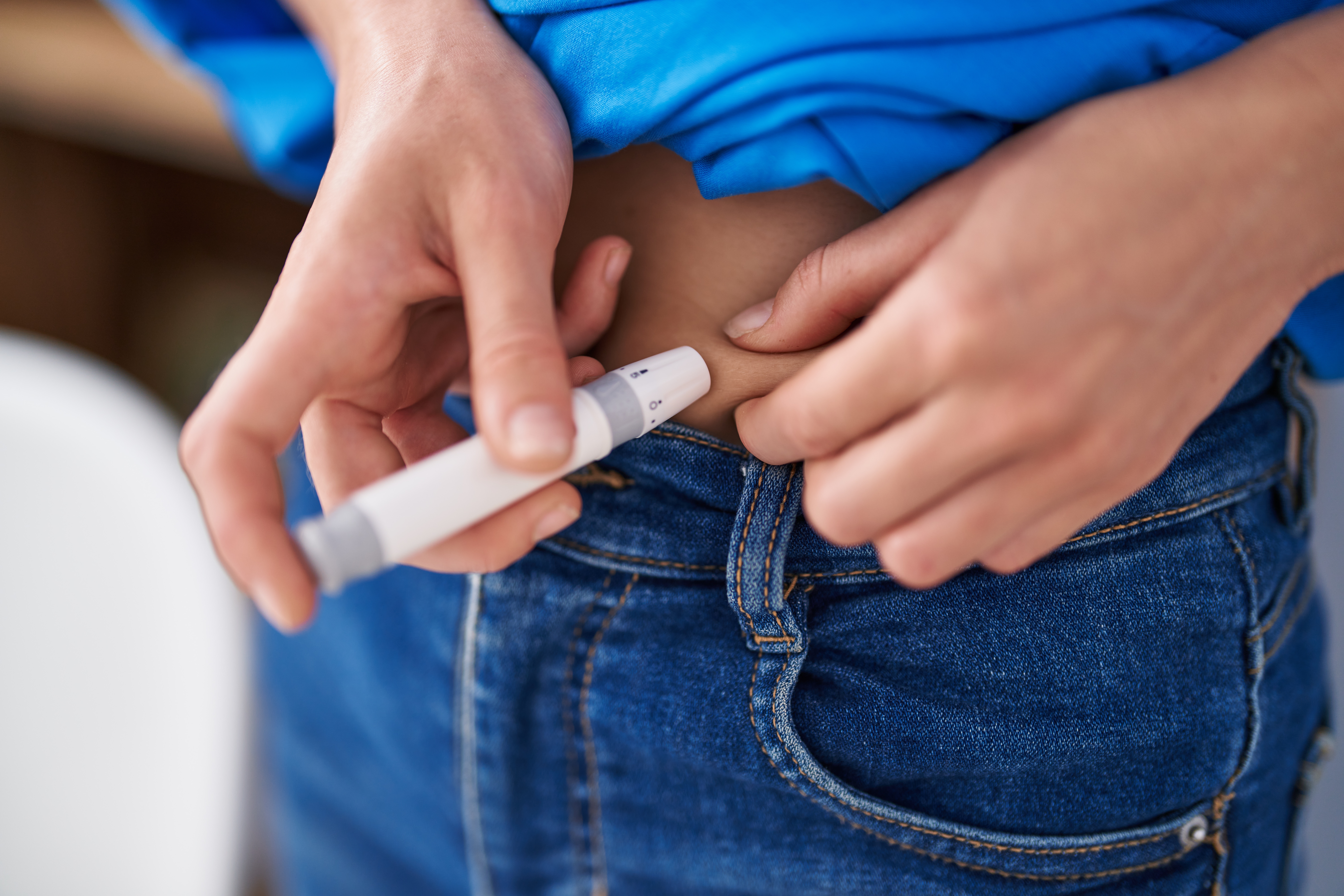
There’s no single definitive test, which is part of why it goes undiagnosed. Assessment usually involves looking at several things together — fasting glucose, HbA1c (a measure of average blood sugar over about three months), fasting insulin, lipids, waist measurement, and your overall history.
This is one of the clearest arguments for a proper clinical assessment rather than guesswork. The picture only makes sense when the pieces are read together.
What Actually Helps
The goal is improving how sensitive your cells are to insulin. The good news is that insulin sensitivity responds well to change — sometimes faster than the scales do.
Build muscle
This is one of the most effective levers available. Muscle is where most glucose is taken up, and resistance training improves insulin sensitivity both immediately after exercise and over the longer term. More muscle means more capacity to handle glucose without needing high insulin levels.
If you do one thing, make it this.
Move after meals
Even a short walk after eating helps your muscles take up glucose and blunts the post-meal blood sugar spike. It’s a small habit with a genuinely useful effect, and it’s far more sustainable than an intense program you’ll abandon.
Eat in a way that steadies blood sugar
In practice, this means meals built around protein, fibre, and lower-GI carbohydrates rather than cutting out food groups. Steadier blood sugar means less insulin, fewer crashes, and less intense cravings.
This isn’t about restriction or “good” and “bad” foods. A pattern you can actually maintain will always beat a stricter one you can’t.
Protect your sleep
Poor sleep measurably reduces insulin sensitivity — even a few bad nights can have an effect. It won’t fix things alone, but it makes everything else work better.
Modest weight loss goes a long way
You don’t need dramatic weight loss to see meaningful improvement. Losing even a modest amount — particularly visceral fat, which tends to respond early — can improve insulin sensitivity noticeably. And because the cycle runs in both directions, early improvements make continued progress easier.
Can Insulin Resistance Be Reversed?
To a meaningful degree, yes — and that’s genuinely encouraging news.
Insulin sensitivity often improves substantially with sustained changes to activity, nutrition, sleep, and weight. Many people see their markers move well before the scales reflect it.
The honest caveats: a genetic predisposition doesn’t disappear, improvements need to be maintained rather than achieved once, and if insulin resistance has already progressed to type 2 diabetes, the picture is more complex — though even then, improvement is often possible. It’s best thought of as a condition you manage and improve, not one you cure and forget.
Why This Matters Beyond Weight
Insulin resistance sits underneath a lot of things. It’s the central mechanism in prediabetes and type 2 diabetes, it’s closely tied to PCOS, it’s associated with fatty liver disease, and it’s linked to cardiovascular risk.
Addressing it isn’t only about the number on the scale. It’s about the health picture sitting behind it — which is often the more important part.
How Medical Support Can Help
Because insulin resistance is a metabolic condition rather than a lifestyle failing, addressing it medically can make a substantial difference — and it starts with knowing what you’re actually dealing with.
Under medical supervision, some patients may benefit from:
- Proper assessment — the blood work and measurements needed to see the full metabolic picture
- Individualised nutrition and activity guidance built around improving insulin sensitivity, not just restricting food
- Support for appetite and metabolic factors, where clinically appropriate
- Ongoing monitoring so you can see markers improving, not just wait for the scales to move
Because of TGA regulations, specific medical treatment options can only be discussed during a consultation with one of our Doctors or Nurse Practitioners.
You can read more about our medically guided weight management approach, or book a suitability assessment to talk it through.
Frequently Asked Questions
How do I know if I have insulin resistance?
It often has no clear symptoms early on, so blood testing is the reliable way to know. A clinician will typically look at fasting glucose, HbA1c and sometimes fasting insulin alongside your lipids, waist measurement and history.
Is insulin resistance the same as diabetes?
No. Insulin resistance is an earlier stage — your body compensates by producing more insulin, and blood sugar can still look normal. If the pancreas can no longer keep up, it can progress to prediabetes and then type 2 diabetes, which is why identifying it early matters.
Can you have insulin resistance at a normal weight?
Yes. Body composition, visceral fat, activity levels, genetics and ethnicity all play a role, so it occurs in people of all sizes.
Do I have to cut out carbs?
No. The evidence points toward the type of carbohydrate and what you eat alongside it — protein and fibre in particular — rather than elimination. Extreme restriction is rarely sustainable, and sustainability matters more than severity here.
How long does it take to improve?
Insulin sensitivity can start improving within weeks of consistent changes, often well before the scales shift much. That said, meaningful and lasting improvement comes from sustained change rather than a short push.
Final Thoughts
If losing weight has felt disproportionately hard, insulin resistance is one of the most common explanations — and one of the most treatable. It also helps explain why your body seems to fight weight loss in the first place.
The cycle is self-reinforcing, which is what makes it stubborn. But it also means that once you start improving things, progress tends to build on itself.
At TWLS, we assess what’s actually driving your weight and build a plan around it — not around guesswork. Book a suitability assessment to take the next step.