

You’ve cut back. You’re moving more. You’ve done what you were told to do — and the scales have barely shifted.
At that point most people conclude they’re doing something wrong, or that they simply lack discipline. Usually neither is true. When genuine effort isn’t producing results, there’s typically a reason, and it’s often something identifiable and treatable.
At TWLS, these are the nine causes we see most often. Some are medical, some are practical, and several are easy to miss without a proper look.
1. Insulin Resistance
This is one of the most common and most under-recognised barriers. When your cells stop responding properly to insulin, your body compensates by producing more of it — and high insulin levels put your body into storage mode, making fat harder to release.
Signs worth noting: weight gathering around the middle, strong carbohydrate cravings, energy crashes after meals, a family history of type 2 diabetes, or dark velvety patches of skin on the neck or armpits.
What to do: it’s identified through blood testing rather than symptoms alone, so it’s worth getting assessed. Resistance training, walking after meals, and blood-sugar-steadying nutrition all improve insulin sensitivity, often before the scales move.
You can read more in our guide to insulin resistance and weight.
2. PCOS
Polycystic ovary syndrome affects roughly one in ten women of reproductive age, and it makes weight loss genuinely harder — through insulin resistance, raised androgens, and a tendency to store fat around the abdomen.
Signs worth noting: irregular or absent periods, acne, excess hair growth or scalp thinning, and difficulty losing weight despite consistent effort.
What to do: PCOS is diagnosable and manageable, and even modest weight loss can improve symptoms and cycle regularity. It’s worth a proper assessment rather than assuming the difficulty is effort-related.
More detail in our article on why PCOS makes weight loss harder.
3. Thyroid Problems
An underactive thyroid slows your metabolism, and it’s both over-blamed and under-diagnosed — people frequently assume it’s the cause when it isn’t, and equally often go years without it being checked.
Signs worth noting: fatigue, feeling cold when others don’t, dry skin, hair thinning, constipation, low mood, or unexplained weight gain.
What to do: it’s a simple blood test. If thyroid function is the issue, treating it properly makes weight management significantly more achievable — and if it isn’t, that’s useful to rule out.
4. Hormonal Changes Around Menopause
Perimenopause and menopause change the picture substantially. Falling oestrogen, loss of muscle mass, and shifts in where the body stores fat mean many women find that what worked for years suddenly doesn’t.
Signs worth noting: weight gain concentrated around the middle rather than the hips and thighs, changes to your cycle, disrupted sleep, hot flushes, or a general sense that your body is behaving differently.
What to do: resistance training and adequate protein become considerably more important during this period, because preserving muscle protects your metabolism. It’s also worth discussing the fuller picture with a clinician rather than treating it as inevitable.
5. Poor Sleep — Including Undiagnosed Sleep Apnoea
Sleep affects weight far more than most people expect. Short or disrupted sleep increases hunger hormones, reduces insulin sensitivity, and makes high-energy foods considerably harder to resist.
Obstructive sleep apnoea deserves particular attention, because it creates a loop: excess weight contributes to apnoea, and the resulting poor sleep makes weight loss harder.
Signs worth noting: loud snoring, waking unrefreshed, daytime sleepiness, morning headaches, or a partner noticing you stop breathing during the night.
What to do: sleep apnoea is diagnosable and treatable, and treating it often makes everything else easier. If those signs sound familiar, it’s worth raising with a doctor.
6. Your Body Is Defending Its Weight
If you’ve lost weight before and regained it, this one probably explains more than you realise. After weight loss, your metabolism becomes more efficient, hunger hormones rise, and fullness signals weaken — a coordinated defence that makes regain more likely.
Signs worth noting: losing weight successfully and then plateauing hard, feeling hungrier than you did before, or regaining despite maintaining the same habits.
What to do: slower, sustainable changes tend to provoke less pushback than aggressive restriction, and preserving muscle helps. This is also one of the clearest cases where medical support can make a genuine difference.
More on this in why your body fights weight loss.
7. Medications You’re Already Taking
A number of commonly prescribed medications can contribute to weight gain or make weight loss harder — including some antidepressants, antipsychotics, corticosteroids, certain diabetes medications, some blood pressure medications, and hormonal contraceptives.
Signs worth noting: weight gain that began around the time you started or changed a medication.
What to do: this is important — don’t stop or change any prescribed medication on your own. Many of these medications are treating something significant, and stopping them can be more harmful than the weight gain. But it is absolutely worth raising with your prescriber, because alternatives sometimes exist, and knowing this is a factor changes the plan either way.
8. Eating Less Than You Think — or Less Than Your Body Needs
Two different problems sit here, and they pull in opposite directions.
The first is that most of us underestimate what we eat — not through dishonesty, but because portions, drinks, cooking oils, and mindless grazing are genuinely easy to overlook.
The second is the opposite: eating too little, too consistently. Very restrictive eating tends to backfire, driving muscle loss, intensifying hunger, and provoking a stronger metabolic defence — which is a large part of why crash diets so reliably lead to regain.
What to do: a period of honest, non-judgemental tracking can be genuinely useful for spotting gaps — but only if it’s a short-term diagnostic exercise rather than something that adds stress to eating. If tracking makes your relationship with food harder, don’t do it.
And if food, eating, or your body feels like a source of real distress, that’s worth raising with a health professional. It’s far more common than people assume, and it matters more than the number on the scales.
9. Stress and Emotional Eating
Chronic stress raises cortisol, which encourages abdominal fat storage and increases appetite — particularly for high-energy comfort foods. On top of that, eating is one of the fastest ways humans self-soothe, and that’s a very normal response rather than a weakness.
Signs worth noting: eating in response to feelings rather than hunger, eating late at night, or noticing that difficult weeks reliably derail your progress.
What to do: strategies that address the underlying pattern tend to work better than trying to white-knuckle it. Sleep, movement, and support all help — and for some people, psychological support is the single most useful piece of the plan.
What Usually Happens Next
The pattern we see most often isn’t one of these. It’s two or three overlapping — poor sleep worsening insulin resistance, a medication complicating things, hormonal change on top.
That’s exactly why generic advice so often fails. It isn’t wrong, it’s just aimed at a version of the problem you may not have.
It’s also worth saying: none of the above is a character flaw. Every one is a physiological or practical factor, and most are identifiable with a proper assessment.
How Medical Support Can Help
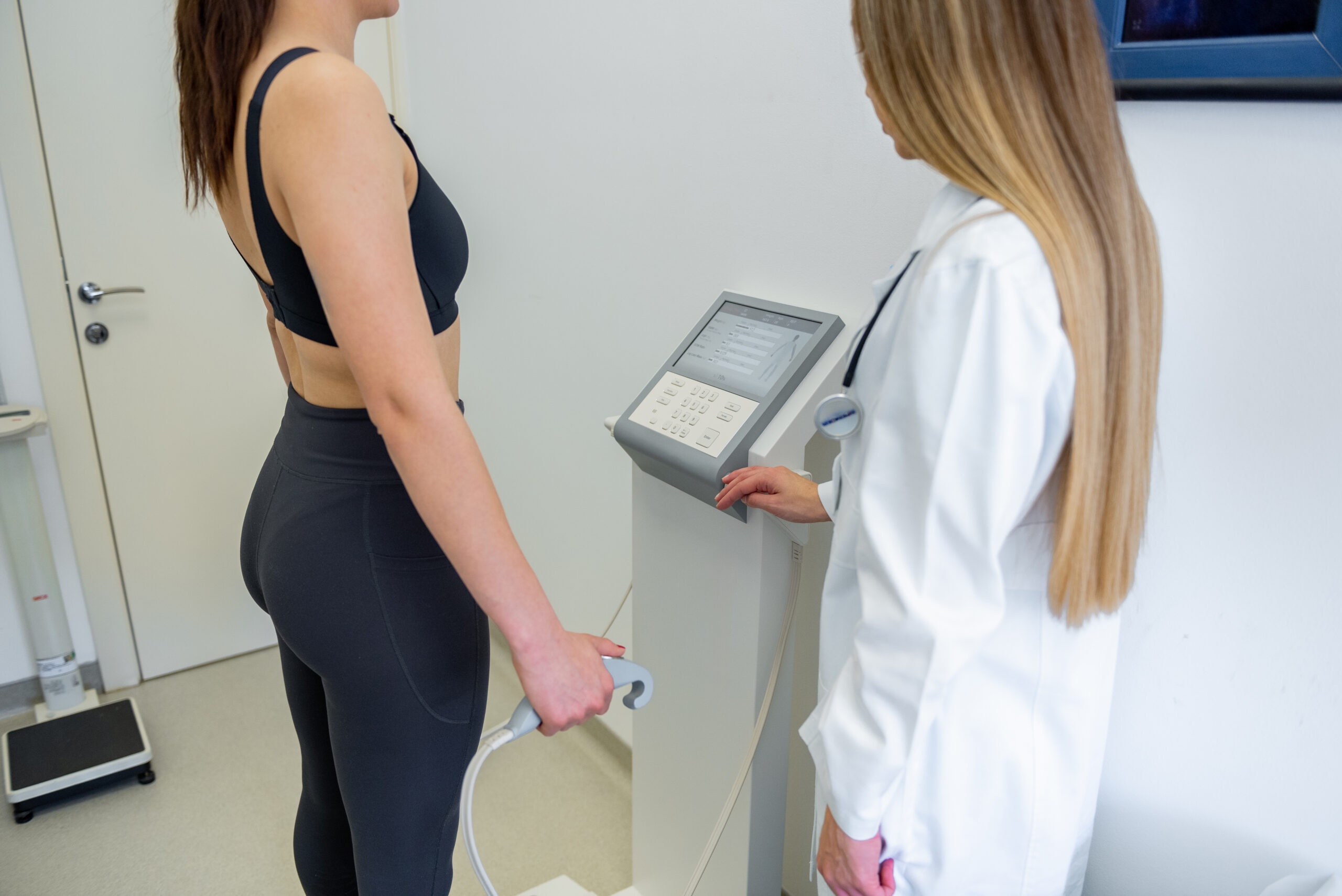
The value of a medical assessment is that it identifies which of these actually apply to you, rather than leaving you to guess.
Under medical supervision, some patients may benefit from:
- A proper diagnostic picture — blood work, body composition, and history reviewed together
- Identification of underlying conditions such as thyroid problems, insulin resistance, PCOS, or sleep apnoea
- A review of existing medications and their contribution
- Individualised nutrition and activity guidance built around what’s actually driving your weight
- Support for appetite and metabolic factors, where clinically appropriate
- Ongoing monitoring and adjustment as things change
Because of TGA regulations, specific medical treatment options can only be discussed during a consultation with one of our Doctors or Nurse Practitioners.
You can read more about our medically guided weight management approach, or book a suitability assessment to talk it through.
Frequently Asked Questions
How do I know which of these applies to me?
Some have recognisable signs, but several — insulin resistance and thyroid problems in particular — need blood testing to identify. A proper assessment looks at them together rather than one at a time, which is usually what makes the picture clear.
Can more than one apply at once?
Very commonly, yes. Overlapping factors are the norm rather than the exception, and it’s a large part of why standard advice can fall short.
Should I stop a medication that might be causing weight gain?
No — not without speaking to your prescriber. Many of these medications treat significant conditions, and stopping them independently can cause real harm. Raise it with the doctor who prescribed it, since alternatives sometimes exist.
Is it possible I’m just not trying hard enough?
That’s usually the least likely explanation, and it’s rarely a useful one. When consistent effort isn’t producing results, the more productive question is what’s working against you — and that’s an answerable question.
What should I do first?
If any of these sound familiar, a medical assessment including appropriate blood tests is the most useful starting point. It replaces guesswork with an actual picture.
Final Thoughts
If you’ve been doing the right things and the results haven’t followed, that isn’t evidence that you’ve failed. It’s usually evidence that something identifiable is working against you — and identifying it changes everything about what happens next.
At TWLS, we look at the fuller picture to work out what’s actually driving your weight, then build a plan around that rather than around assumptions. Book a suitability assessment to take the next step.